Storm · Utah guide
Monsoon Season in Utah: How to Protect Your Home From Flash Flood Runoff
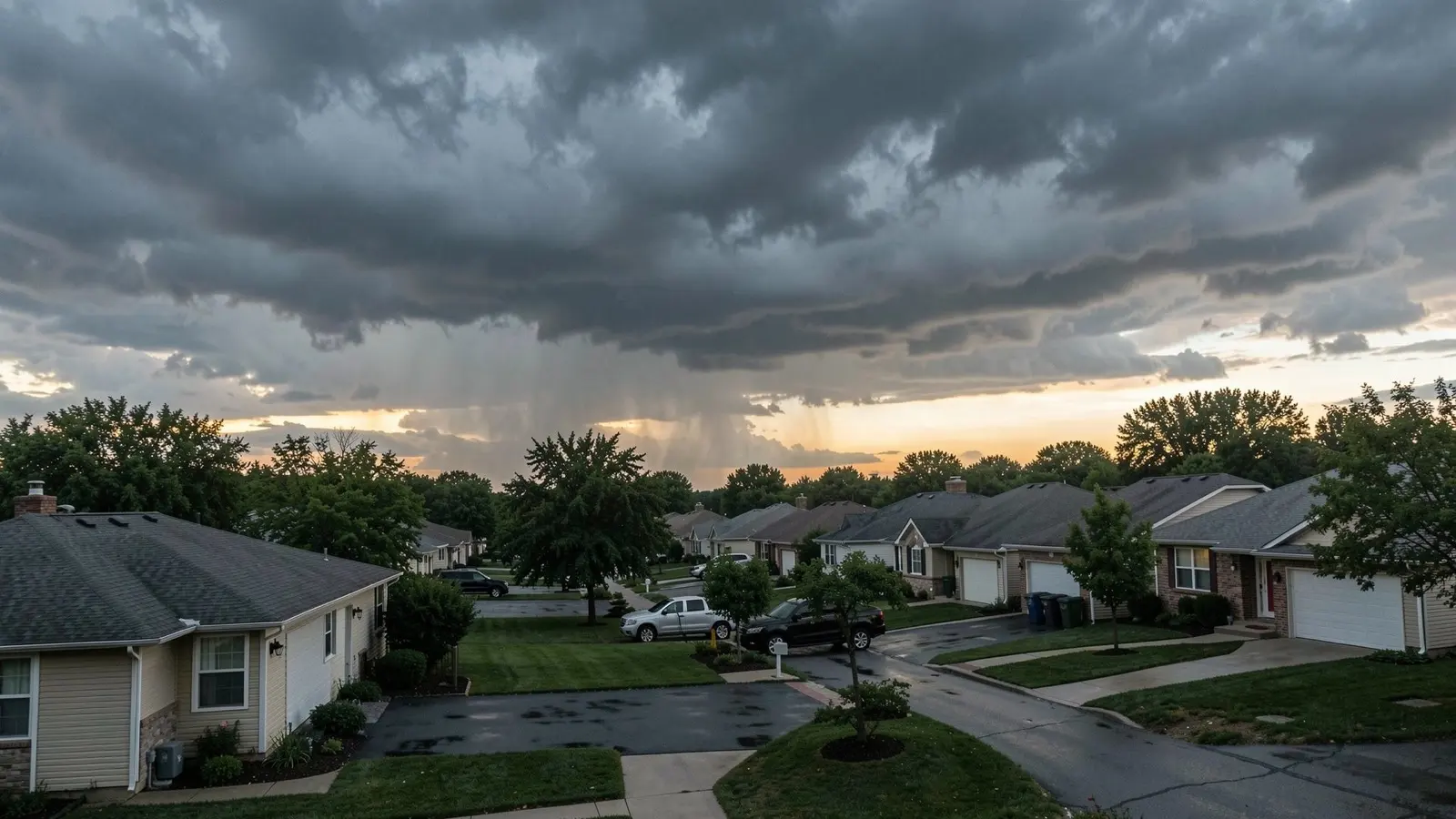
Utah's monsoon is not a steady rainy season. It is a series of violent afternoon storms that drop a month of rain on a single slope in an hour, and the water arrives with mud, rock, and momentum.
Key takeaways
- The Utah monsoon runs from late June through September, with violent, short storms that concentrate runoff.
- Water that rises from outside the home is generally not covered by a standard homeowners policy.
- Clear the window wells, check the grade, and keep sandbags and a pump ready before the first storm.
- Never walk or drive through moving water. Six inches can knock a person down; a foot can move a car.
- Outdoor flood water is contaminated. Porous material that soaked it usually has to come out.
What the monsoon actually does in Utah
The North American monsoon is a seasonal shift in wind that pulls moist air north from the Gulf of California and the Pacific. In Utah it does not produce a gentle, all-day rain. It produces towering afternoon thunderstorms that unload on a single drainage in a short time. The ground, baked hard by a dry June, cannot absorb the first pulse. Water runs.
Two landscapes make it worse. Burn scars shed water instead of absorbing it, so a hillside that burned two years ago can send a debris flow down a drainage that has not flooded in a generation. And slot canyons, dry washes, and steep suburban streets concentrate the flow into channels that look harmless on a sunny morning.
For a homeowner, the practical consequence is that flooding is often local and fast. A storm may miss your neighborhood entirely and hit the bench above it. Ten minutes later, the water is at your window well. The time to prepare is before the season, not when the sky turns green.
Before the storm: an eight-point checklist
- Clear the gutters and downspouts. A clogged gutter sends water over the edge and into the soil against the foundation. Make sure the discharge lands well away from the wall.
- Clear the window wells. Remove leaves, trash, and debris, and confirm the drain at the bottom is open. A well that fills faster than it drains becomes the entry point.
- Check the grade. Soil should slope away from the foundation. A low spot, a new patio, or a landscaping berm can redirect a season's worth of runoff into one corner of the house.
- Stage sandbags and plastic sheeting. Know where the low doors and window wells are, and store the materials where you can reach them in the dark.
- Test the sump pump. Pour a bucket of water into the pit and watch it run. Check the discharge line for kinks or a frozen end, and consider a battery backup.
- Know the backflow valve. If your area has a history of sewer backups during storms, a backflow valve on the lateral can keep storm water from finding the path of least resistance through your floor drain.
- Move valuables up. Boxes, documents, and electronics should not sit on a basement floor during storm season.
- Photograph the exterior now. Pictures of the grade, the wells, the downspouts, and the foundation before a storm make the after pictures more useful.
During the storm: the rules that matter
Do not walk, swim, or drive through moving water. This is the rule that saves lives, and it is worth repeating to every member of the household. Six inches of fast water can knock an adult down. A foot can float a car. The road surface under the water may be gone.
Stay out of basements and lower levels while water is rising near electrical equipment. If the panel is in the basement and the basement is taking water, do not go down to flip a breaker. Call for help and keep everyone on the main floor or higher.
Keep children and pets away from window wells, culverts, and retention ponds. A dry wash can become a river without warning, and the storm that caused it may be miles away. If local officials issue a flash flood warning, move to higher ground rather than waiting to see the water.
After the storm: the first 24 hours
Once the water stops rising, the priorities are safety, documentation, and stopping the spread. Stay out of any room where water has reached outlets, cords, or appliances. Do not use a household vacuum or a corded tool in standing water. If the power can be shut off safely from a dry location, do it; if not, wait for help.
Photograph the entry point, the water line on the wall, and each affected room before anything is moved. That record is the basis for the claim and for the scope. Move what you can reach from dry footing, starting with paper, cardboard, and anything that stains. Do not pull up attached flooring or cut drywall before the damage is documented.
Outdoor flood water is not clean water. It carries soil, animal waste, fuel, and whatever the storm picked up along the way. Assume anything porous that soaked it, including carpet, pad, insulation, and the lower part of drywall, is contaminated and will need to be removed rather than dried in place.
Why flood cleanup is a different job
A clean supply-line leak can often be dried in place. Flood water changes the math. The water category is higher, the material is often unrecoverable, and the hidden spaces behind walls and under floors hold mud and moisture that a fan will never reach.
A professional flood cleanup usually follows a sequence: make the space safe, extract the standing water, remove contaminated porous material, remove the mud and silt, clean and disinfect the surfaces that remain, then dry the structure with air movers and dehumidifiers while readings are logged. The job is finished when the readings say the framing and the subfloor are dry, not when the room smells better.
If the water came in through a window well and soaked a finished basement, the scope may include removing the lower drywall, the insulation, and the carpet. That is not over-reacting; it is the standard response to category 3 water. For the sequence in more detail, see flood damage cleanup and sewage cleanup.
Insurance: flood is usually separate
A standard homeowners policy generally covers a sudden and accidental release inside the house, such as a burst supply line. It generally does not cover water that rises from outside, including monsoon runoff, a creek, or a flooded street. That coverage usually comes from a separate flood policy, often through the National Flood Insurance Program.
The distinction is not always obvious. Rain that enters through a storm-damaged roof or a broken window may be treated differently from water that rose from the ground. Photograph the entry point, keep the damaged material until an adjuster has seen it, and call your agent before you assume the answer. The insurance guide walks through the common categories.
Southern Utah specifics
St. George, Hurricane, Santa Clara, Ivins, and Washington sit at the edge of the Mojave, where a single storm can drop more rain in an hour than the area sees in a typical month. The soil is thin, the slopes are steep, and the dry washes that cross the neighborhoods are designed to move water fast. A window well or a low garage door is often the first entry point.
Moab and the canyon country add a different risk: debris. A flash flood in a side canyon can arrive with mud, rocks, and branches, and the flow can block a culvert or a door. Cleaning up after that kind of water is closer to a small excavation than a mop-up. If you are in St. George, Moab, or Hurricane, the city guide lists the local drainages and the storm patterns that show up on calls.
Frequently asked questions
When is monsoon season in Utah?
The North American monsoon typically affects Utah from late June through September, with the most active stretch in July and August. Southern Utah usually sees the earliest and most intense storms. The pattern is afternoon and evening thunderstorms fed by moist air from the south, and the risk is highest where a burn scar, steep slope, or slot canyon concentrates the runoff.
Is monsoon flood damage covered by homeowners insurance?
Flood water that rises from outside the home is generally excluded from a standard homeowners policy and requires separate flood insurance, usually through the National Flood Insurance Program or a private carrier. Rain that enters through a damaged roof, a broken window, or a failed seal may be treated differently. Photograph the entry point and call your agent before cleanup begins.
What should I do if flood water is entering the house?
Move to higher ground and stay away from electrical panels, outlets, and cords in the water. Do not walk or drive through moving water. Once the water stops rising, shut off the power only if you can reach the panel safely and the area around it is dry. Call for help and document the entry point before anything is moved.
Can I clean up monsoon flood water myself?
Small amounts of clean rainwater that enter through a window can sometimes be mopped up, but outdoor flood water is treated as contaminated. It carries soil, animal waste, fuel, and debris. That means protective equipment, removal of porous material, disinfection, and drying. A contaminated loss is not a shop-vac job.
How long does it take to dry a home after a flood?
Most residential dry-outs run three to five days after the water is extracted, longer if the walls are block or the insulation and framing stayed wet. Drying ends when moisture readings show the assembly is dry, not when the surface feels dry. Flood water also changes the scope: saturated drywall, insulation, and carpet usually have to be removed.
Related guides
Keep going with the Utah-specific guides homeowners read next.
-
The First Hour After Water Damage
What to do while the storm water is still moving and after it stops.
-
Does Homeowners Insurance Cover Water Damage?
Why rising flood water and an indoor pipe failure are treated differently.
-
Hidden Water Damage Signs
What a flooded wall or floor looks like a week after the storm.
Flood Water in the House?
Call and describe where the water entered and how deep it is. The dispatcher will confirm coverage for your address and contact the closest available flood cleanup crew.
Call (844) 609-3645